
A Bank Operating Model Built for Control
See how a unified bank operating model can reduce complexity, improve control, and put real-time data, risk, and product delivery on a single foundation.

7m
Insights topic
Articles from adapfin Insights tagged “Core Banking”, on banking technology and financial services.
17 articles tagged with “Core Banking”
See how a unified bank operating model can reduce complexity, improve control, and put real-time data, risk, and product delivery on a single foundation.

The best banking operating systems unify data, workflows, controls, and intelligence to cut complexity and give banks durable operating control at scale for growth.

Core vs middleware is a strategic banking architecture choice. Learn how each model affects control, data, cost, resilience, and growth ahead.

Banking core evaluation should measure control, economics, data, resilience, and product speed - not just conversion risk or feature checklists alone.

Top core conversion risks can erode control, delay launch, and raise exposure. See how banks can govern data, operations, testing, and cutover early on.

This bank technology consolidation guide helps bank leaders cut vendor sprawl, improve controls, and plan a safer path to a unified operating model now.

Banking modernization means replacing fragmented systems with a controlled, real-time operating model that improves economics, resilience, and compliance.

BankOS versus banking middleware: learn which architecture gives banks real-time control, lower complexity, and a stronger path to product growth at scale.

AI native versus legacy core is an operating-model decision: learn how unified data, controls, and real-time workflows change bank economics and governance.

Learn how to replace legacy cores through a controlled, phased program that unifies data, protects operations, and improves bank economics over time safely.

Core banking software costs extend beyond licensing. Banks should measure vendor dependency, integration, manual work, and the cost of every change.

A payments orchestration platform gives banks real-time control of routing, risk, exceptions, and data while consolidating payment operations securely.

Banking API integration should connect products, data, controls, and workflows - not add another layer of cost, risk, and operational dependency over time

AI loan underwriting for banks works when data, decisions, controls, and servicing share one governed operating foundation built for real-time banking.

When your core banking system is so deeply integrated that exit would halt operations, you are not negotiating with a vendor. You are paying rent to a landlord.

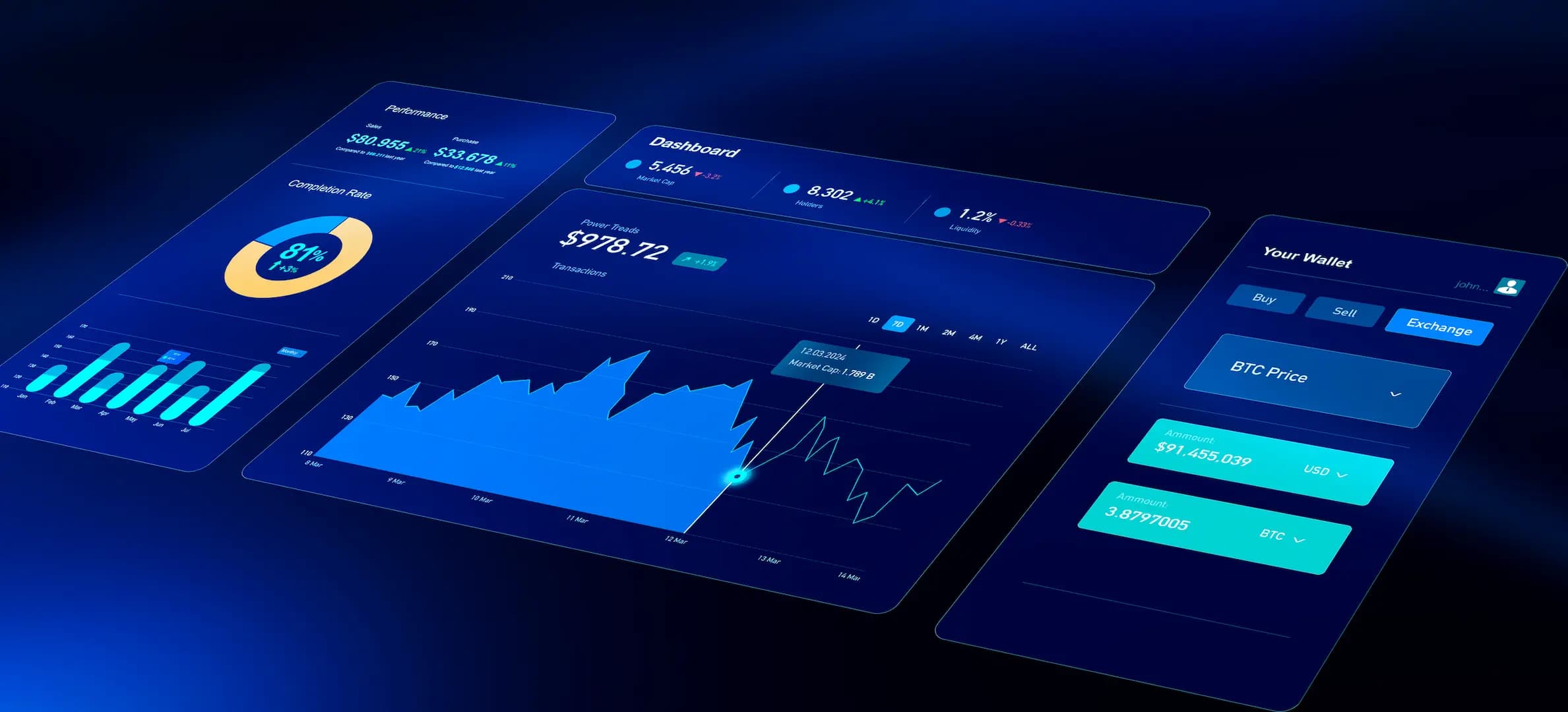
adapfin Technologies previews Nucleus BankOS™, an AI-native core banking platform designed to liberate financial institutions from legacy mainframe constraints.

When banks spend 70-80% of IT budgets on maintenance and conversions take under 60 days, the economics of core modernization change completely.